Watercolor Blush Spring Glam is redefining soft beauty aesthetics in 2026, blending airy pigments, flushed gradients, and dewy skin finishes that mimic the look of naturally lit, spring-kissed cheeks. This trend focuses on diffused color application rather than structured contouring, giving the face a romantic, ethereal glow. Inspired by watercolor paintings, the blush melts into the skin instead of sitting on top of it. It’s a perfect match for spring fashion, floral aesthetics, and minimal-glam makeup lovers who want freshness, softness, and a youthful glow without heavy product buildup or harsh definition.

1. Dewy Base for Watercolor Blush Canvas
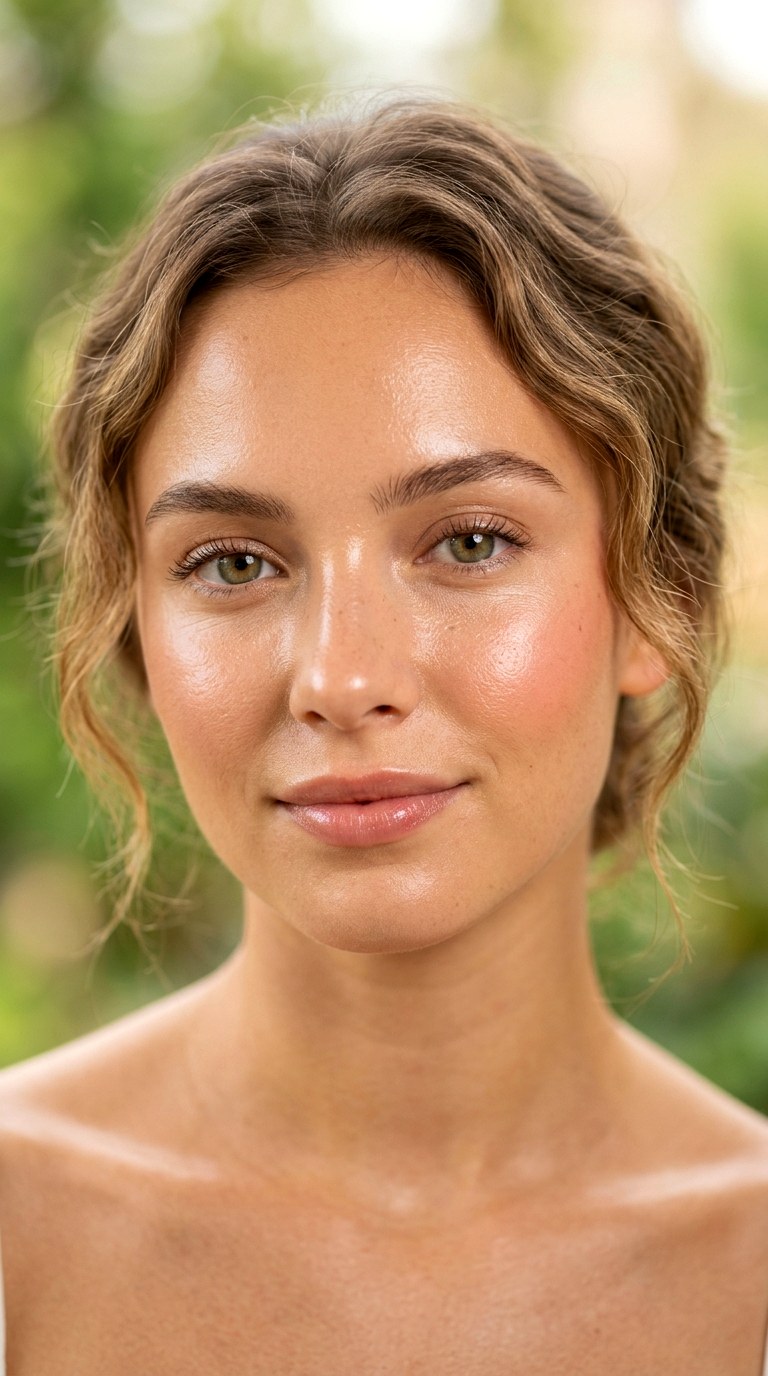
The foundation of Watercolor Blush Spring Glam starts with a dewy, hydrated base. Skin prep is essential here—think hyaluronic acid serums, lightweight moisturizers, and glow-enhancing primers. The goal is to create a fresh, almost translucent complexion that allows blush pigments to blend seamlessly. Avoid heavy matte foundations, as they can block the watercolor effect. Instead, opt for skin tints or light-coverage bases that let natural skin texture shine through. This base acts like a canvas for soft blush diffusion, ensuring the final look feels breathable, luminous, and naturally radiant under spring lighting.
2. Soft Pink Gradient Cheeks
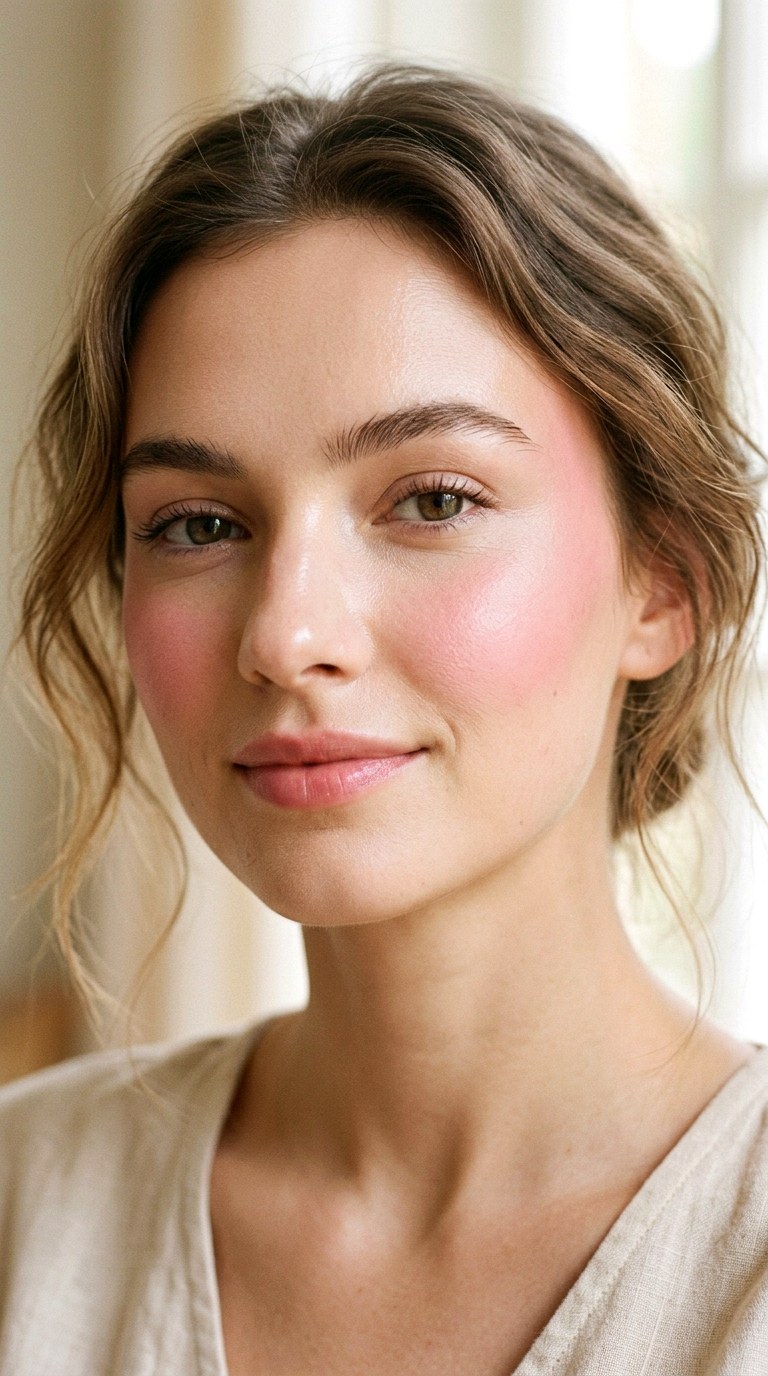
Soft pink gradient cheeks are the heart of the watercolor blush trend. Instead of applying blush in one concentrated area, the pigment is diffused from the apples of the cheeks upward toward the temples. This creates a lifted, airy effect that mimics natural flushing. Shades like rose pink, baby pink, and dusty pink work beautifully. The key is layering lightly and blending continuously to avoid harsh edges. The result is a seamless fade of color that looks like it naturally emerged from within the skin, enhancing softness and youthful spring energy.
3. Peach Blossom Flush Effect
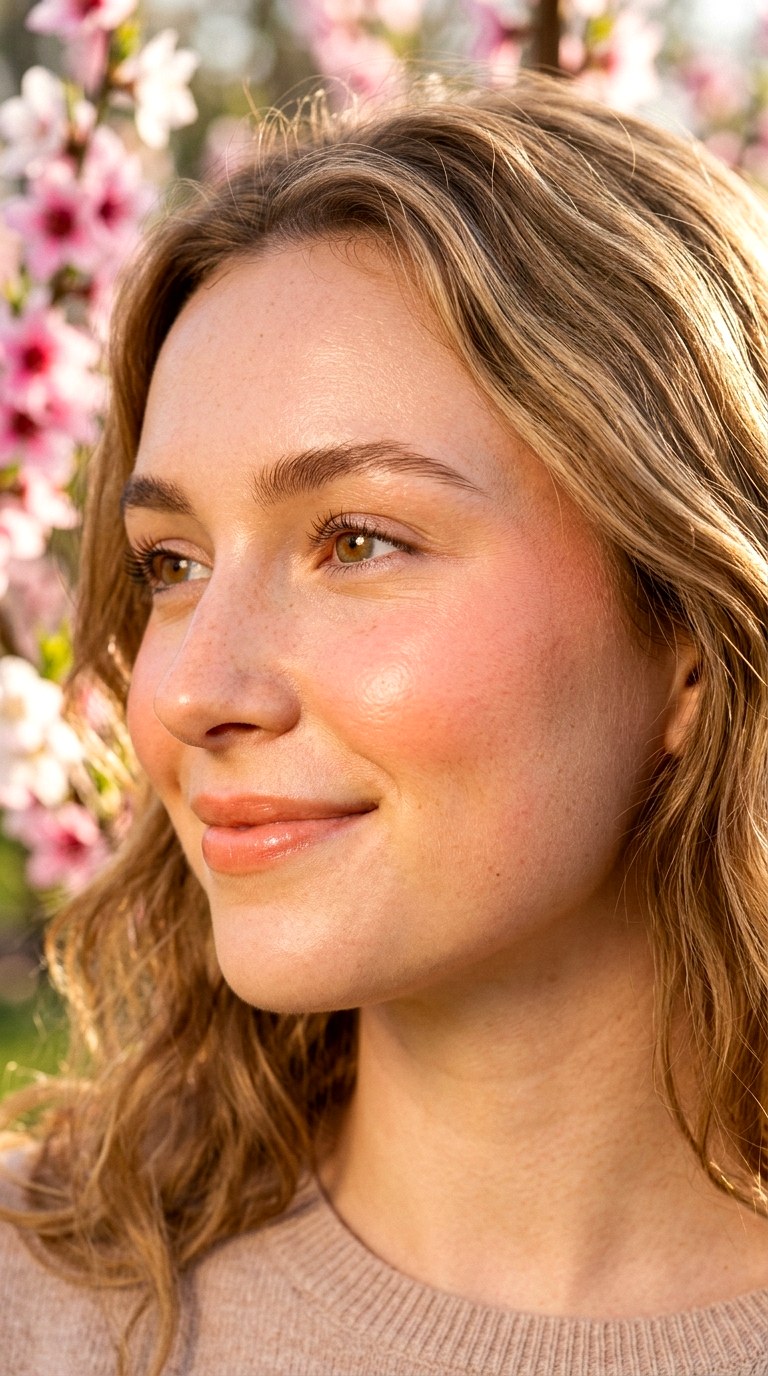
Peach tones bring warmth to Watercolor Blush Spring Glam, adding a sunlit glow to the cheeks. This technique involves layering peach blush lightly over pink undertones to create a multidimensional flush. The peach tones soften facial features and add a natural sun-kissed warmth that feels perfect for springtime. The blending should remain sheer and diffused, avoiding any strong pigment patches. This effect works especially well for medium to warm skin tones, but can be adapted for all complexions by adjusting intensity and undertone balance.
4. Cloud-Like Blush Diffusion Technique
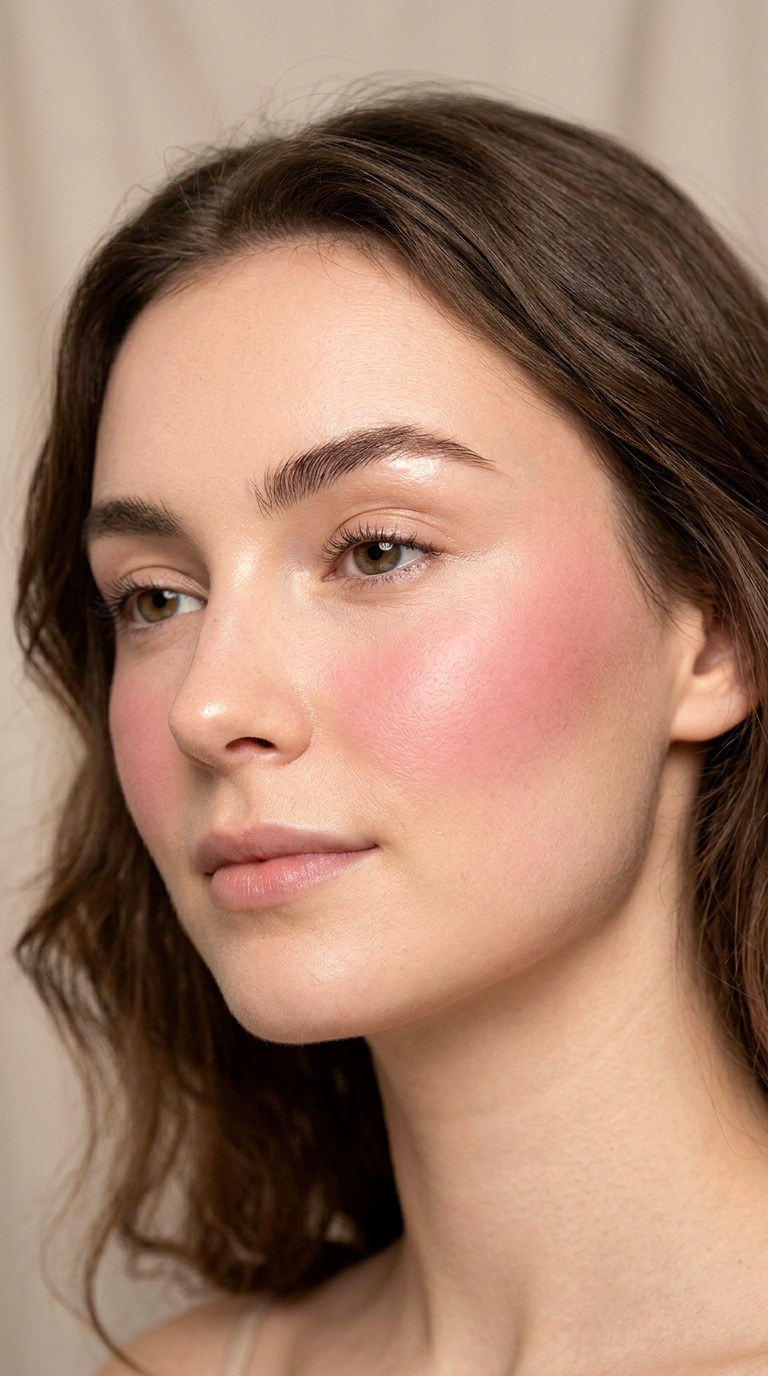
The cloud-like diffusion technique is essential for achieving the watercolor aesthetic. Instead of pressing blush into one area, the product is gently tapped and buffed outward using a fluffy brush or sponge. The edges are intentionally blurred to create a floating color effect that resembles soft clouds of pigment. This method removes harsh lines and ensures a seamless transition between skin and blush. The result is an almost airbrushed finish that looks weightless and ethereal, perfectly aligning with modern spring glam aesthetics.
5. Rosewater Glow Skin Finish
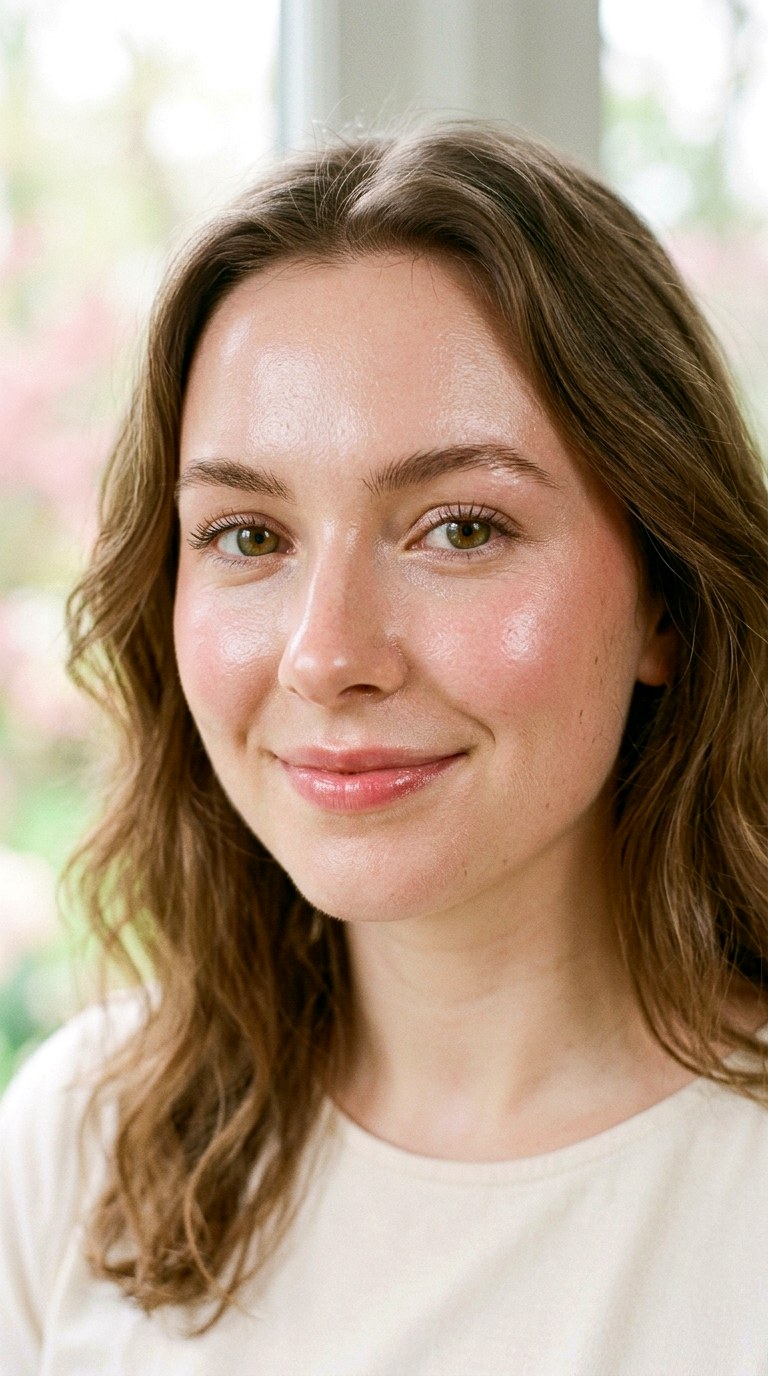
Rosewater glow skin is about combining hydration and subtle luminosity. A rose-toned luminous base enhances the blush effect, making the skin appear naturally flushed and refreshed. This look avoids glitter and instead focuses on soft radiance achieved through liquid illuminators or hydrating primers. When paired with watercolor blush, the skin reflects light in a soft-focus manner. The glow should feel like it comes from within, giving the face a fresh, just-woke-up-from-a-nap spring beauty vibe that is effortlessly elegant and wearable.
6. Pastel Blush Layering Method
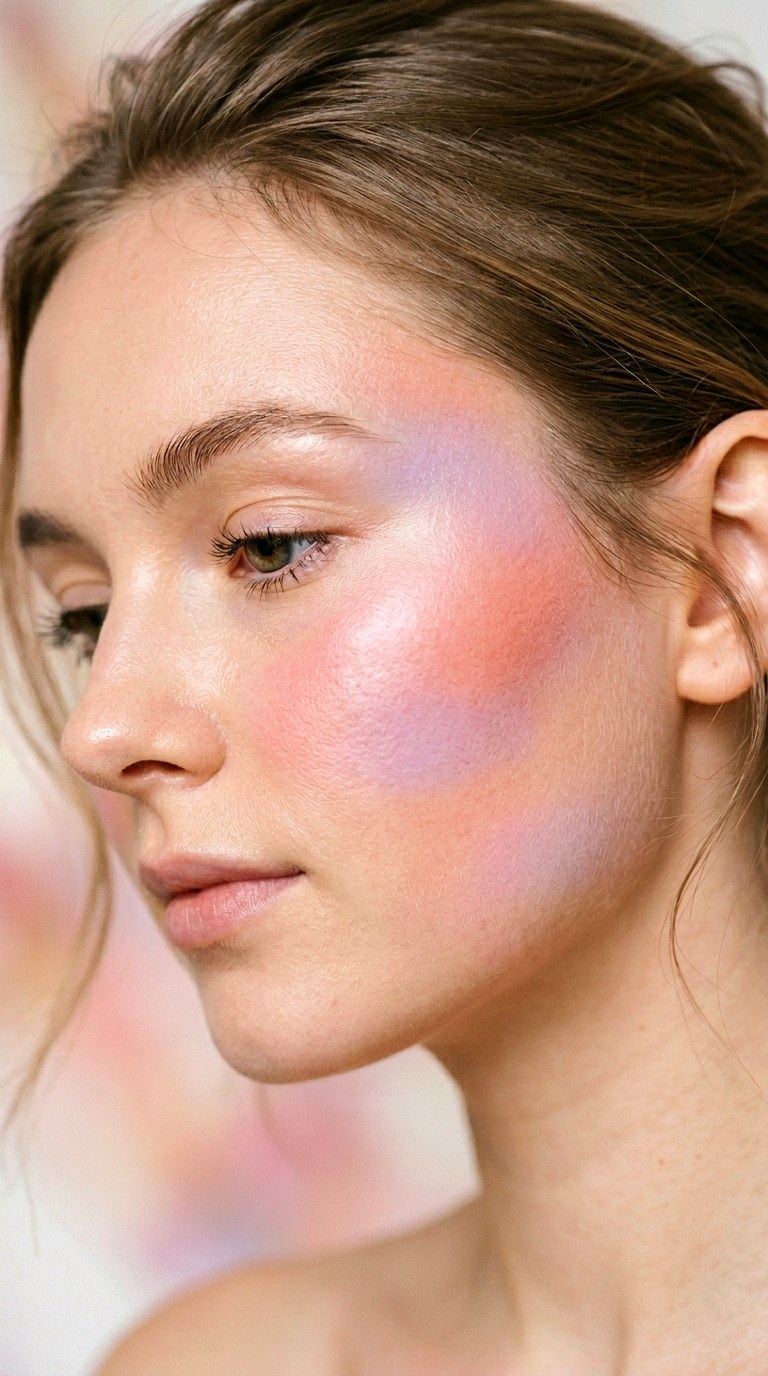
Pastel layering is a defining technique in Watercolor Blush Spring Glam. Instead of using one blush shade, multiple pastel tones like lavender pink, coral peach, and soft rose are layered lightly. Each layer is applied with minimal product and blended thoroughly to maintain transparency. This creates depth without heaviness, mimicking watercolor paint overlapping on paper. The effect is multidimensional and artistic, giving the cheeks a soft color story that shifts subtly under different lighting conditions, making it ideal for spring fashion aesthetics.
7. Blurred Cheekbone Lift Illusion
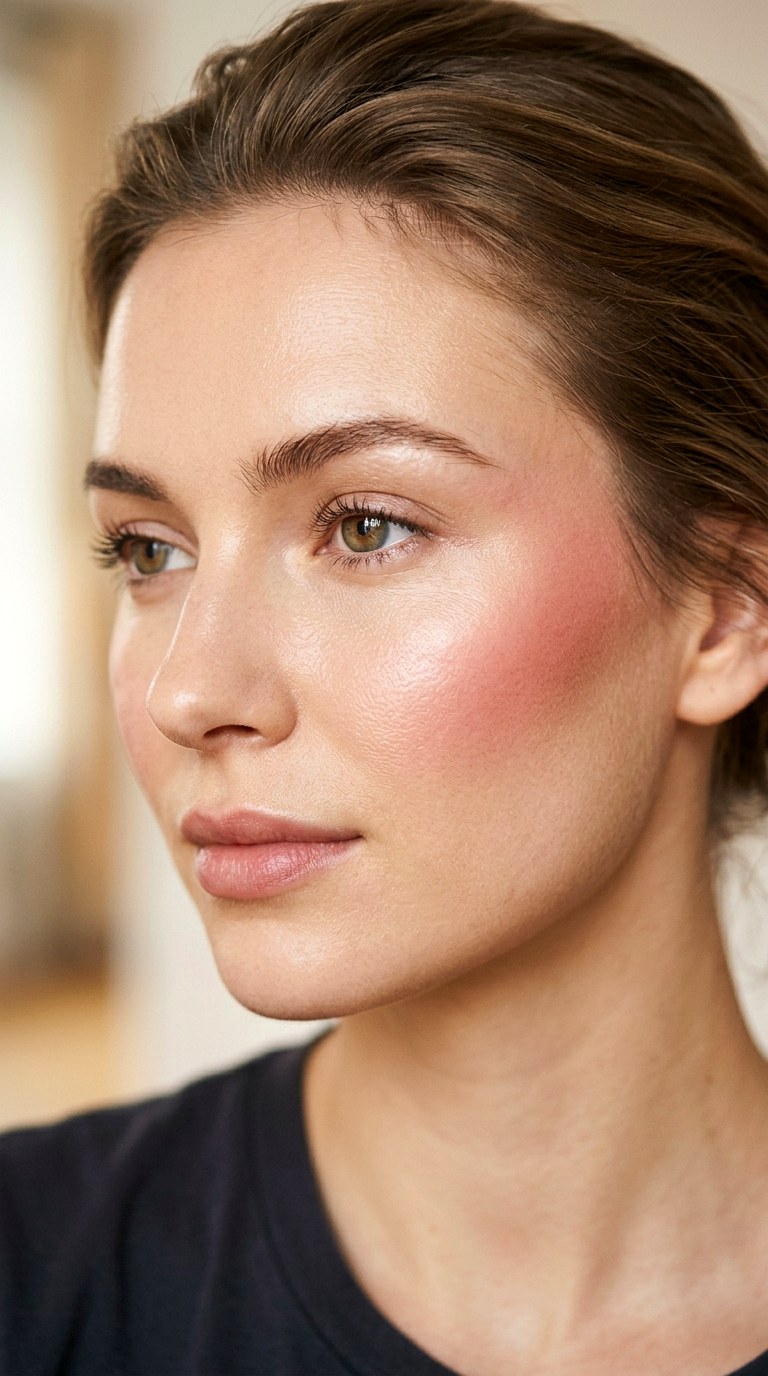
This technique uses blush placement to subtly lift the face. By applying color slightly above the natural cheekbone and blending diagonally upward, the face appears more sculpted without contouring. The blurred edges ensure no harsh definition, keeping the watercolor softness intact. This illusion enhances bone structure while maintaining a youthful, airy glow. It’s especially effective in natural daylight, where the diffused pigment enhances facial symmetry and creates a naturally lifted spring glam appearance.
8. Strawberry Milk Blush Tone
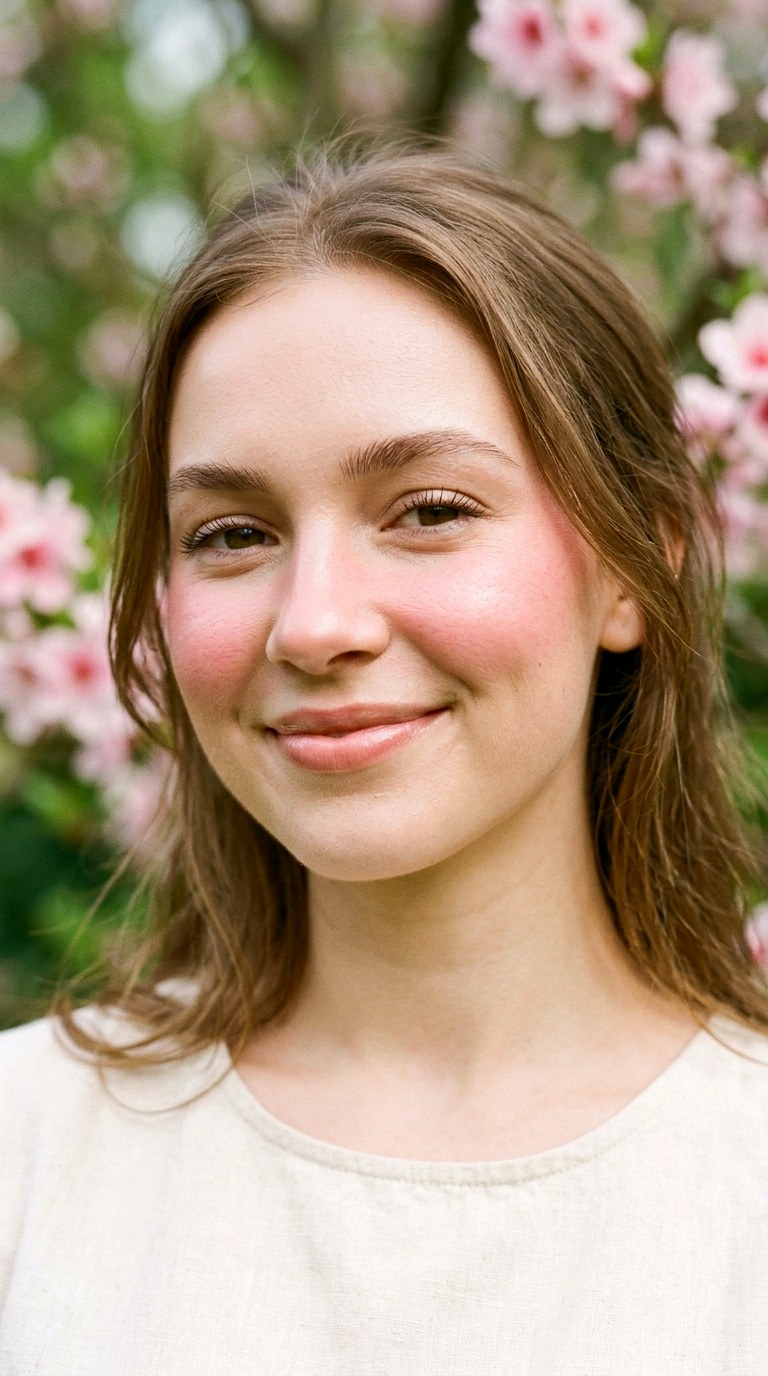
Strawberry milk blush is a creamy pink tone that blends soft red undertones with milky pastel pink. This shade is iconic in watercolor blush trends because it mimics naturally flushed, healthy skin. Applied lightly, it creates a delicate pop of color that looks fresh and youthful. The key is sheer layering, avoiding heavy saturation. When paired with glossy skin and minimal eye makeup, strawberry milk blush becomes the focal point of the entire spring glam look.
9. Sheer Coral Radiance Blush
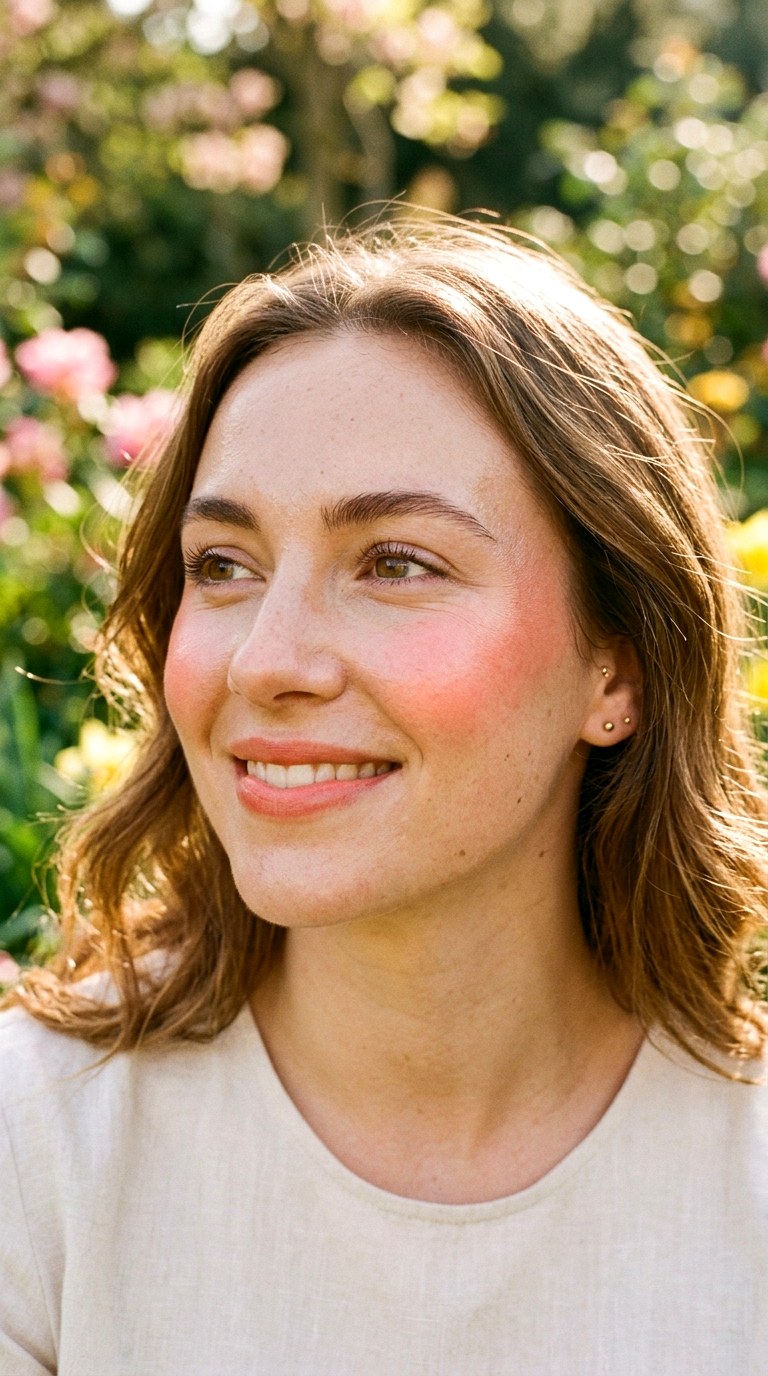
Sheer coral blush adds warmth and vibrancy to the watercolor aesthetic without overpowering it. This tone reflects sunlight beautifully, making it ideal for outdoor spring looks. The application should be extremely light, almost like a tinted veil over the skin. Blending coral with soft pink tones enhances dimension and prevents flatness. It works especially well for creating a sunlit, vacation-inspired spring glam look that feels fresh, radiant, and naturally energized.
10. Inner-Cheek Glow Focus
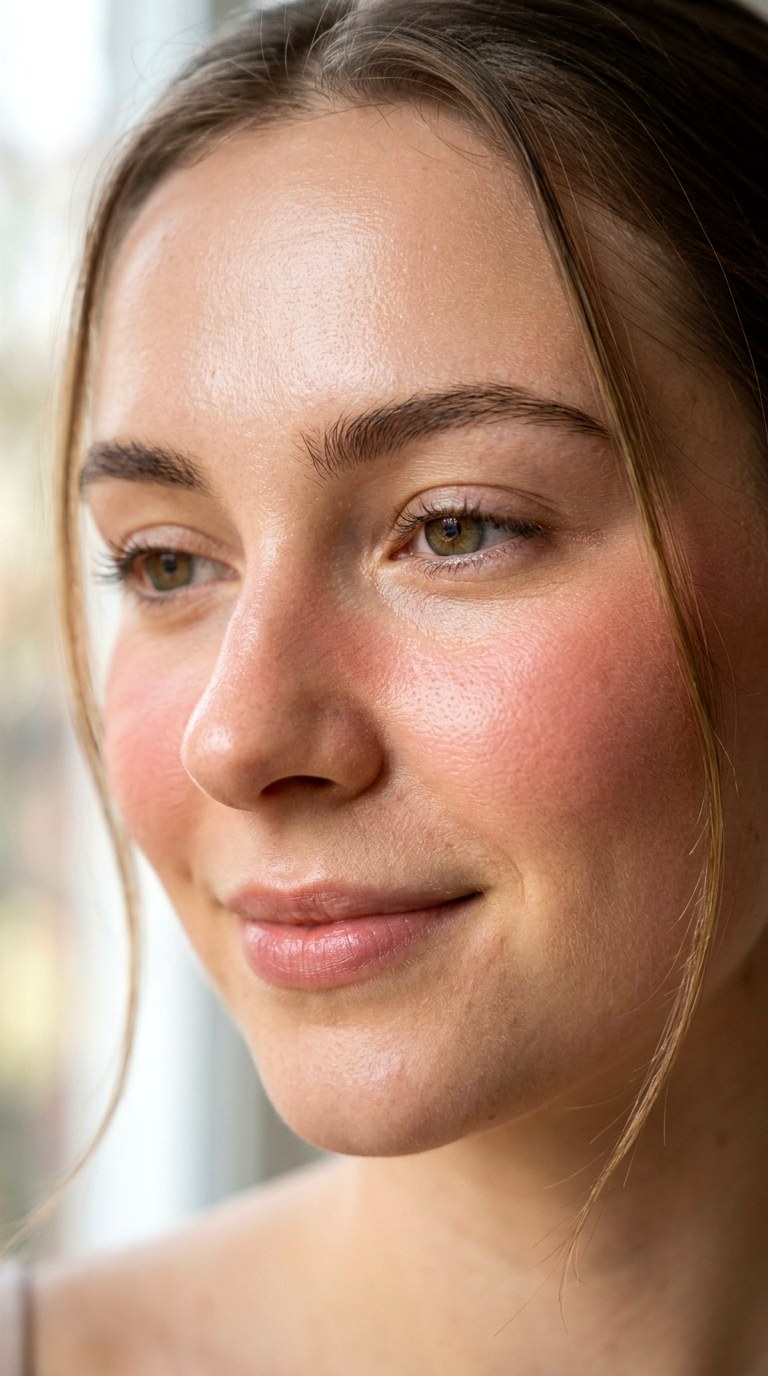
Instead of concentrating blush only on the apples of the cheeks, the inner-cheek glow technique places pigment closer to the center of the face. This creates a youthful, flushed-from-within effect. The color diffuses outward in soft gradients, enhancing facial softness. This placement also complements dewy skin finishes, making the blush appear as if it is part of the skin rather than makeup layered on top. It’s a signature element of watercolor-inspired beauty trends.
11. Soft Lavender Blush Haze
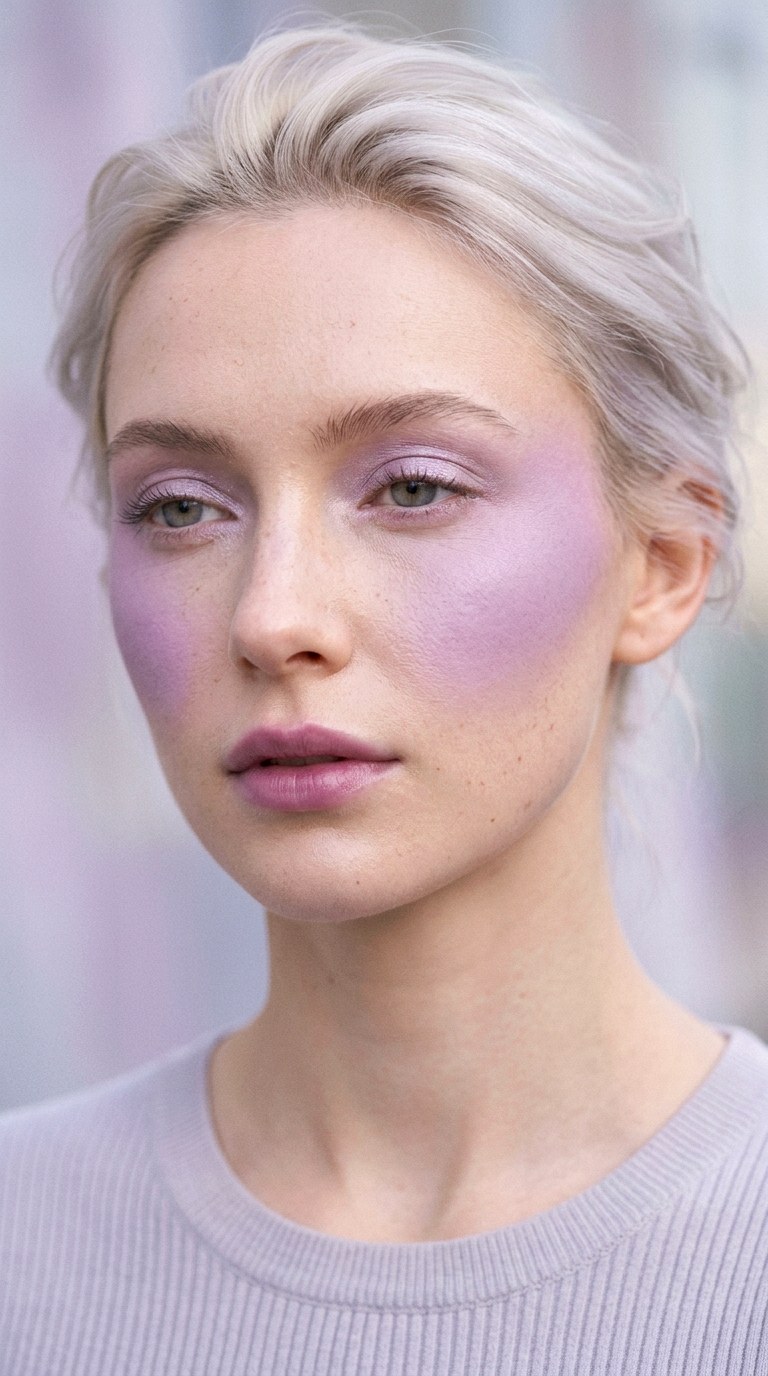
Lavender blush introduces a dreamy, cool-toned twist to the watercolor trend. Applied lightly, it creates a soft haze of color that adds dimension and a slightly ethereal aesthetic. This shade works especially well when layered under pink or peach blush to create artistic gradients. The lavender tone should remain sheer to avoid overpowering the face. When blended correctly, it gives a fresh, editorial spring glam effect that feels modern and fashion-forward.
12. Airbrushed Blending Sponge Technique
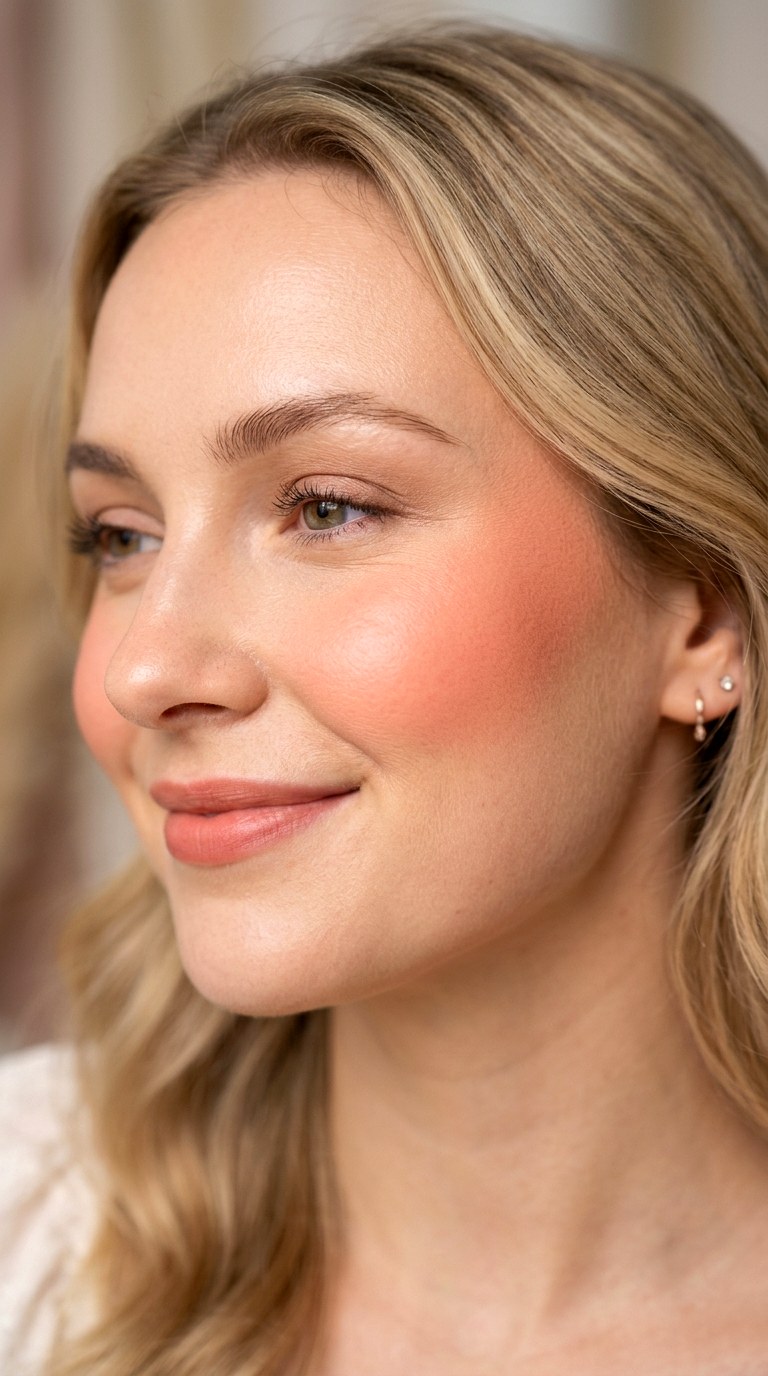
Using a damp blending sponge helps achieve the signature watercolor finish. Instead of dragging product, the sponge taps blush into the skin, diffusing edges naturally. This prevents harsh lines and ensures seamless integration with the base makeup. The technique enhances the soft-focus effect, making blush appear like it is melting into the skin. It is one of the most effective methods for achieving professional-level spring glam results at home.
13. Dew-Kissed Cheek Highlight Pairing
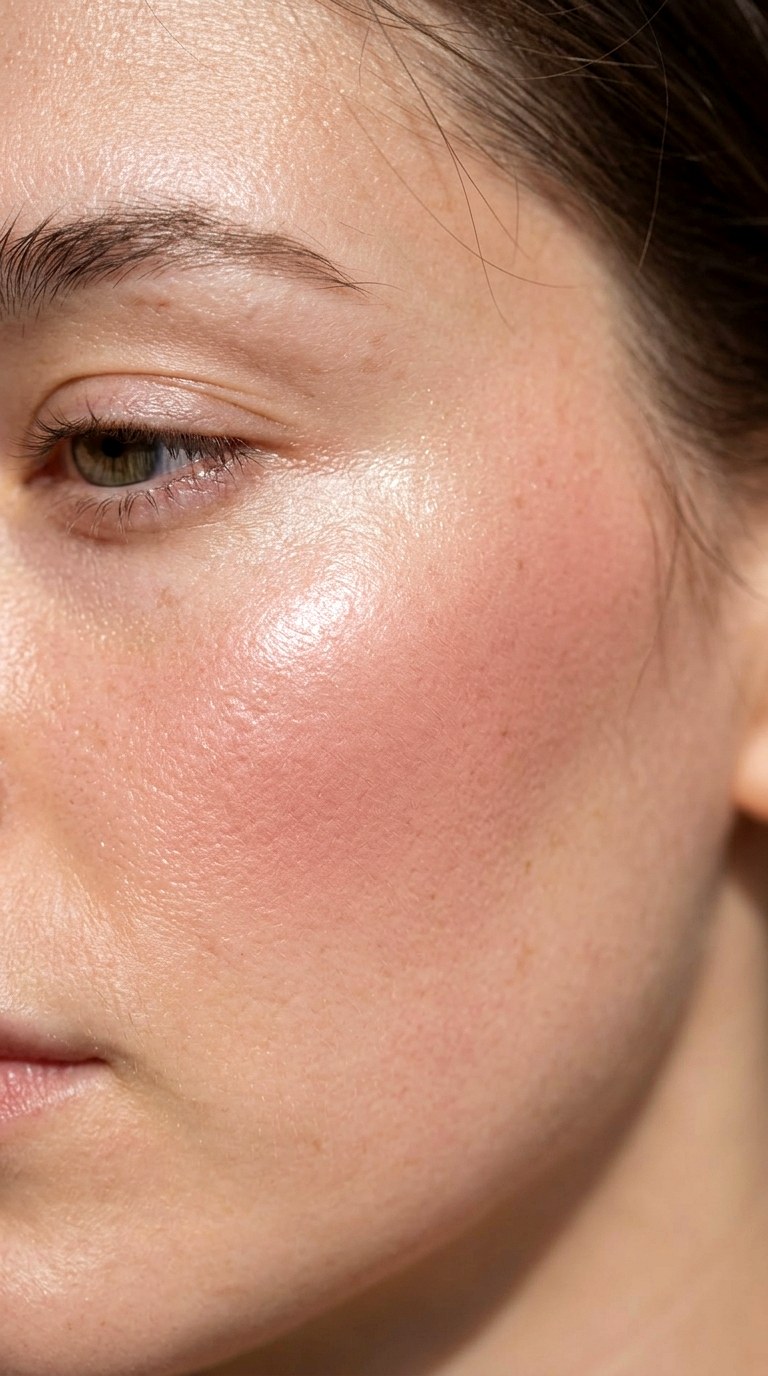
Pairing blush with a soft, dewy highlighter enhances the watercolor effect. The highlight should be subtle, focusing on high points like cheekbones and temples. Instead of glitter, a glossy or satin finish works best. When blended with blush, it creates a luminous transition between color and glow. This combination gives the face a fresh, hydrated appearance that is perfect for spring light and photography.
14. Romantic Rose Fade Technique
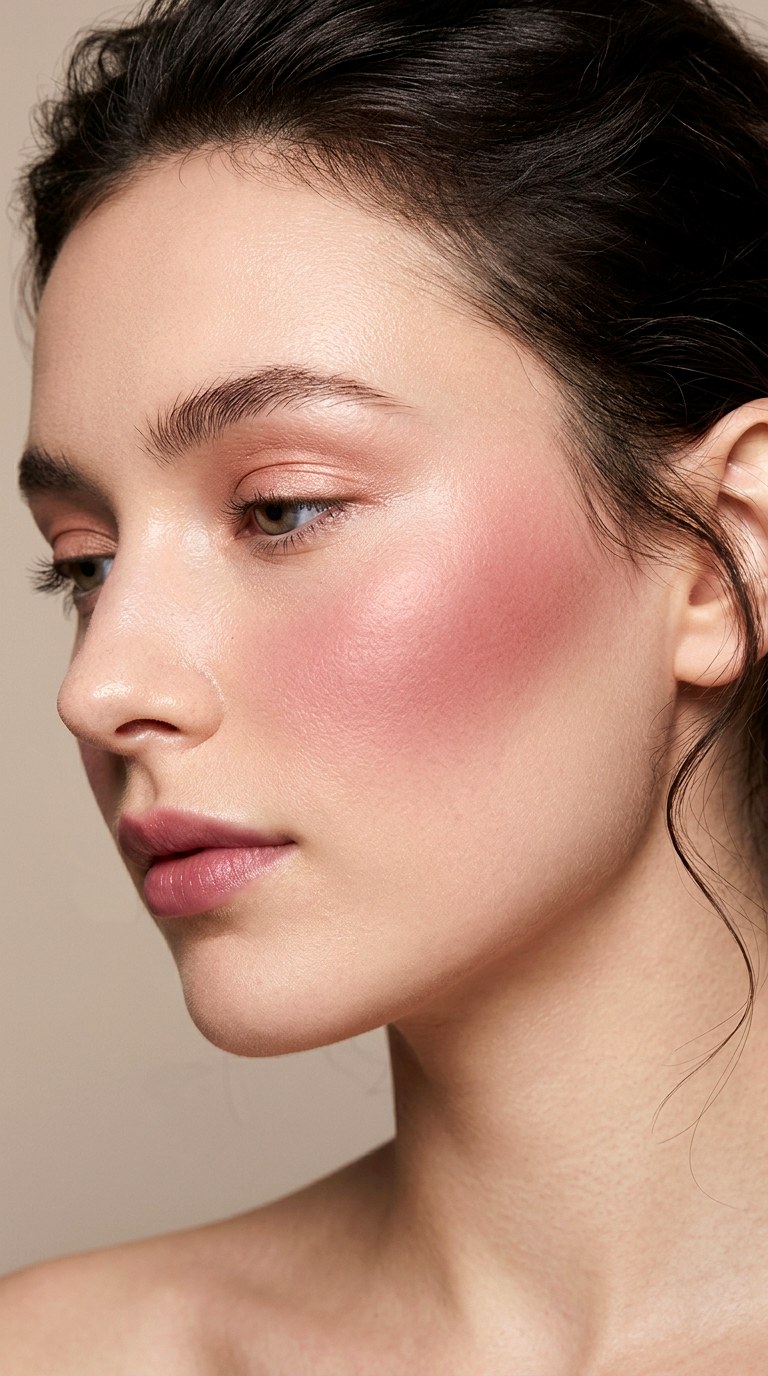
The rose fade technique involves starting with a deeper rose tone near the cheek center and gradually blending it outward into near-transparency. This creates a romantic gradient that resembles natural flushing. The fade must be smooth and continuous to preserve the watercolor effect. It is especially flattering for evening spring glam looks, where soft lighting enhances the gradient depth and warmth.
15. Barely-There Blush Minimalism
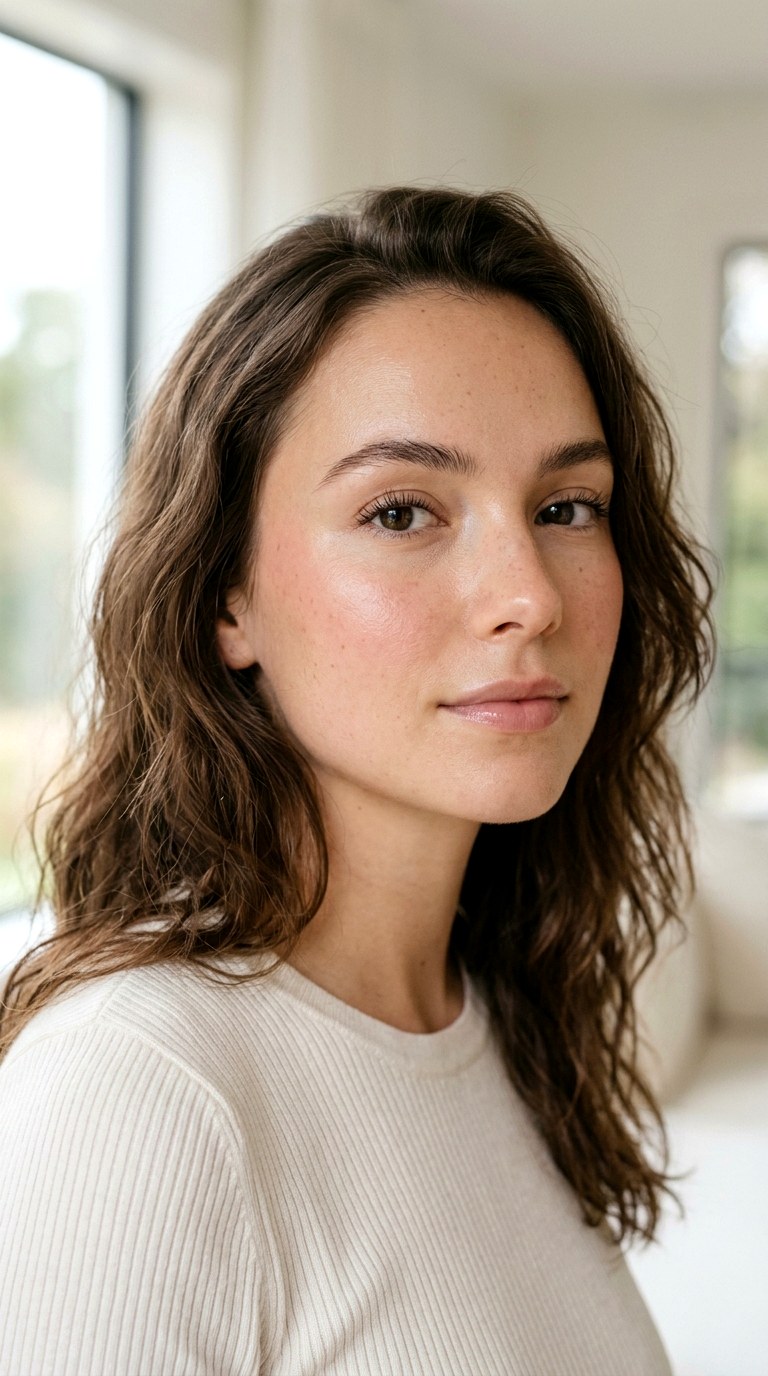
Minimalist watercolor blush focuses on almost invisible application. The idea is to enhance natural complexion rather than transform it. Only a hint of pigment is used, blended until it looks like part of the skin. This creates a “no-makeup makeup” effect that is ideal for everyday spring wear. The result is fresh, clean, and effortlessly polished without appearing overly styled.
16. Floral-Inspired Cheek Palette
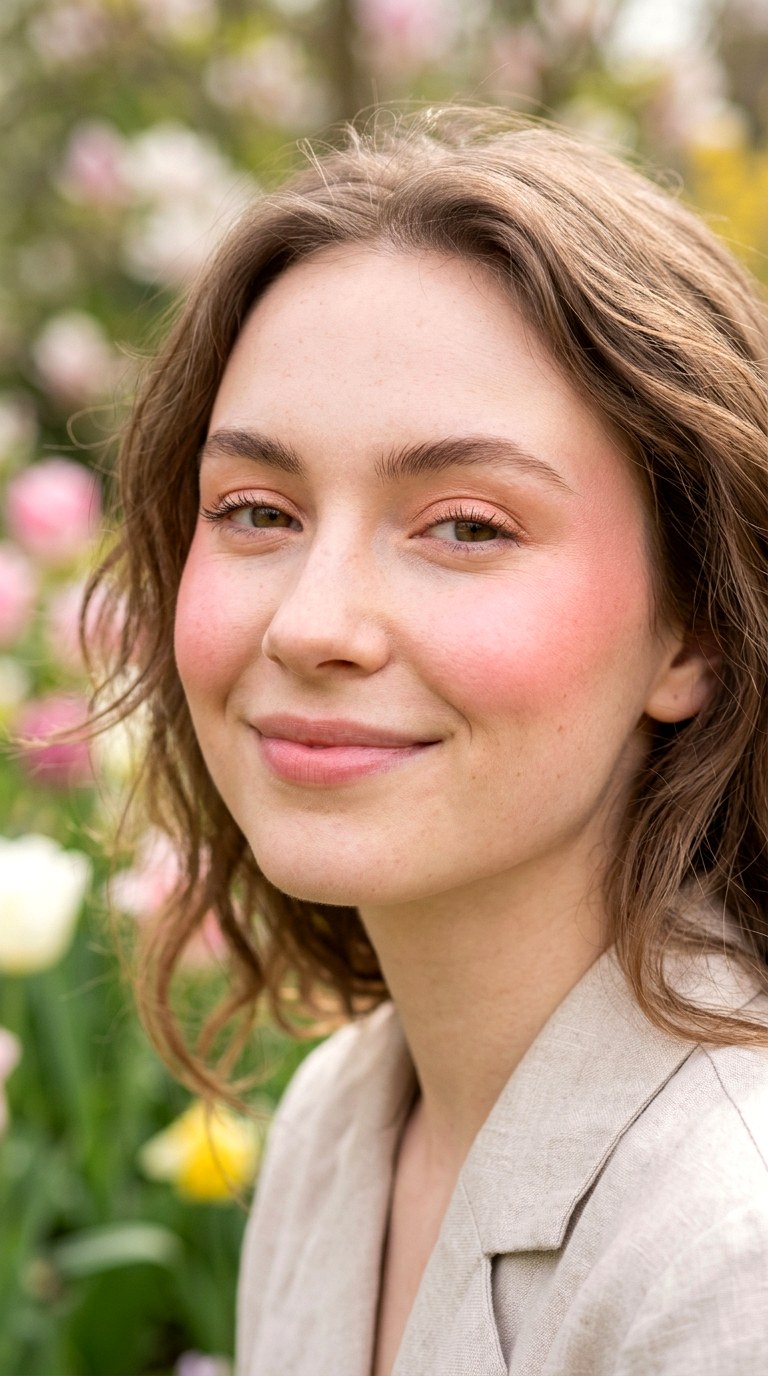
Floral-inspired blush shades like peony pink, tulip coral, and cherry blossom rose define this section of the trend. These colors mimic spring flowers and bring seasonal harmony to the face. Each shade is applied lightly and blended into soft transitions, creating a multi-flower-inspired gradient. The result is artistic yet wearable, perfect for spring fashion and outdoor aesthetics.
17. Watercolor Nose Blush Extension
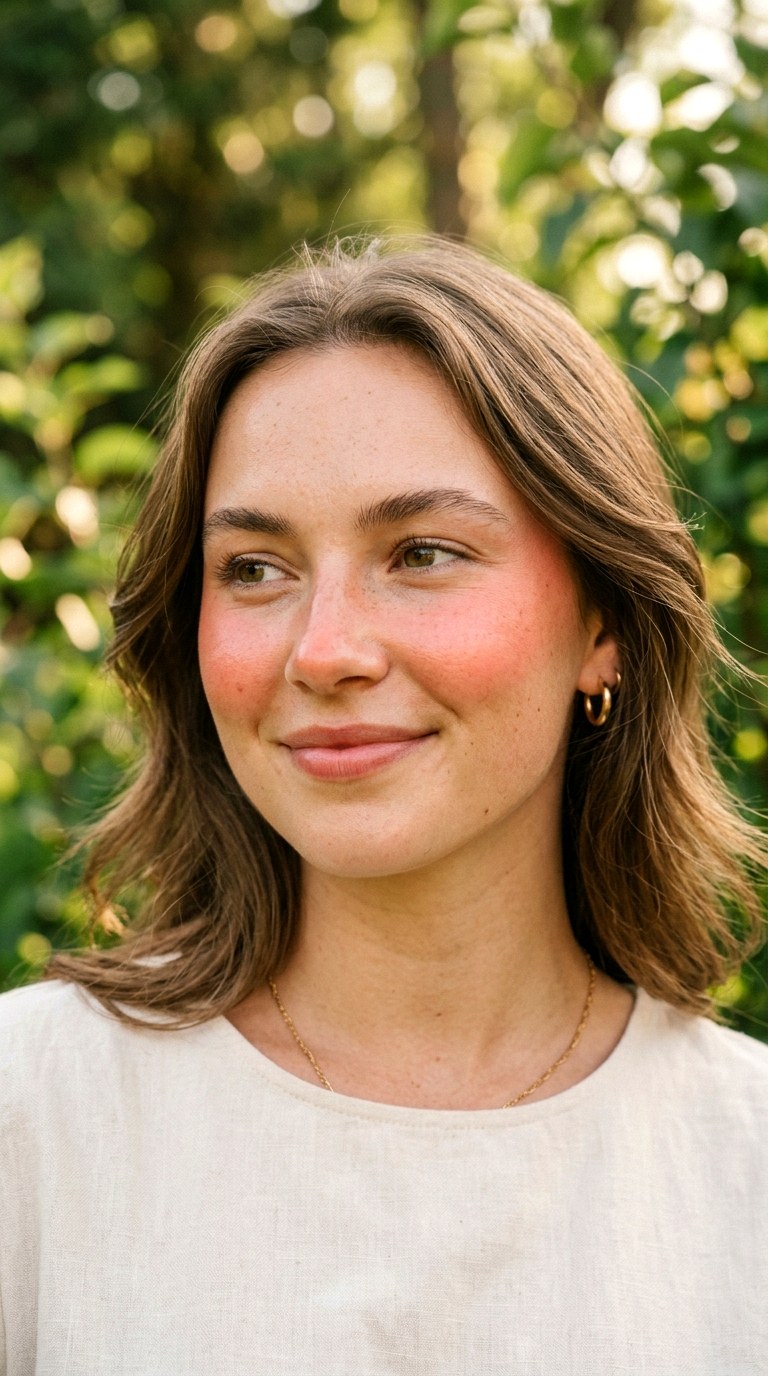
Extending blush across the nose bridge creates a sun-touched, youthful effect. This technique ties the cheeks and center face together, enhancing the watercolor illusion. The blush should remain soft and diffused, avoiding harsh pigment lines. It adds charm and freshness, making the skin appear naturally flushed from spring sunlight exposure.
18. Satin Skin Blush Harmony
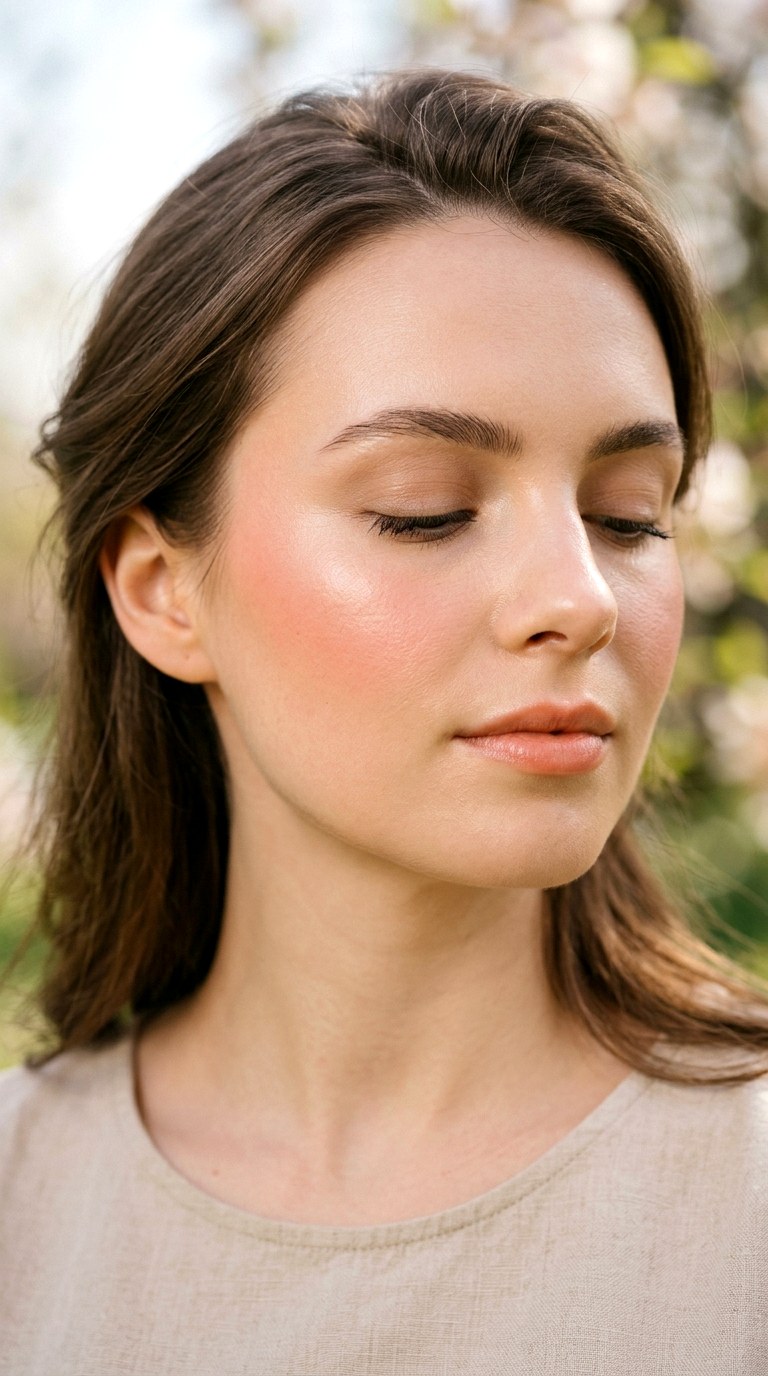
Satin skin finish balances between matte and glossy textures, making it ideal for watercolor blush. The blush blends more naturally into this finish, maintaining softness while still allowing subtle glow. This harmony ensures the makeup looks refined but not heavy, perfect for modern spring glam aesthetics.
19. Gradient Under-Eye Blush Fusion
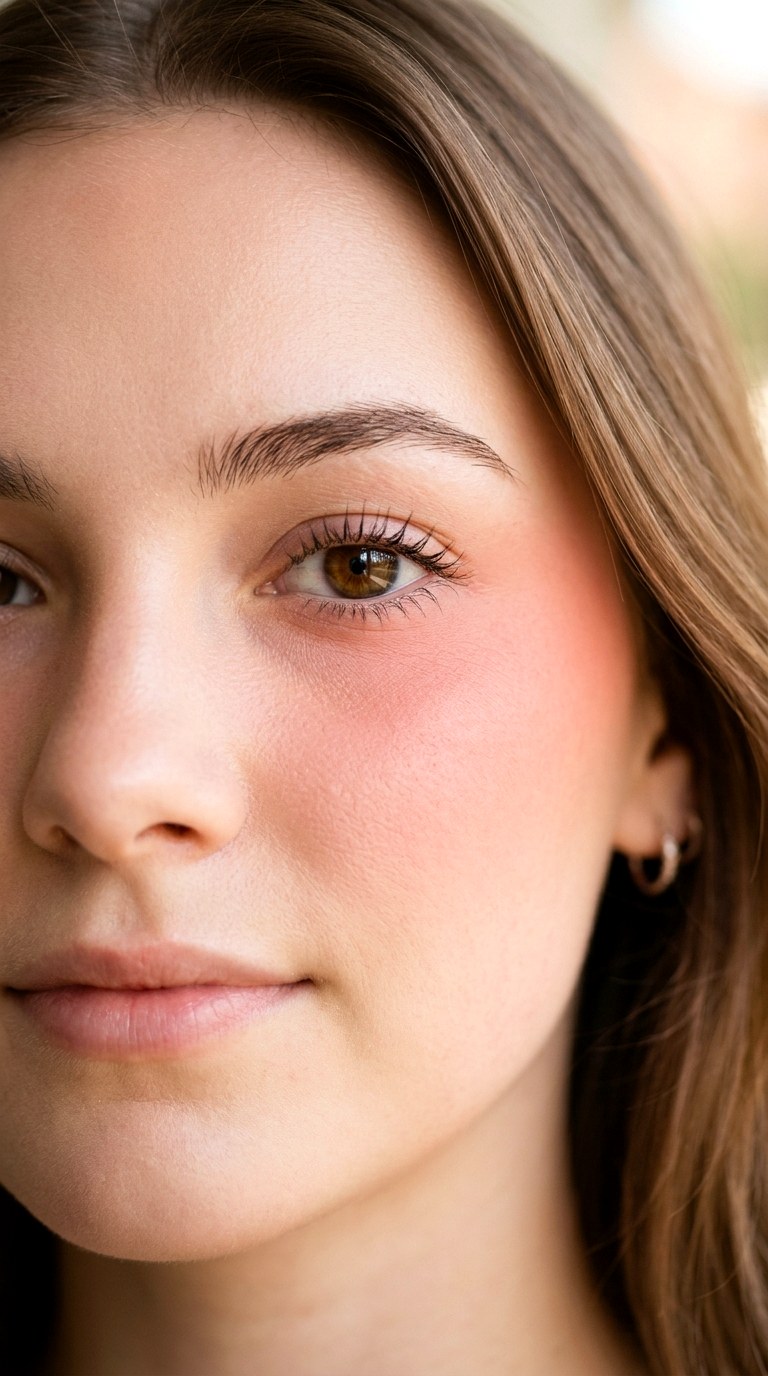
This technique lightly connects blush with the under-eye area, creating a cohesive color flow. It softens dark circles while adding warmth to the face. The key is extremely light application to avoid looking overdone. When blended correctly, it produces a youthful, doll-like spring glow.
20. Soft Sculpt Blush Contouring
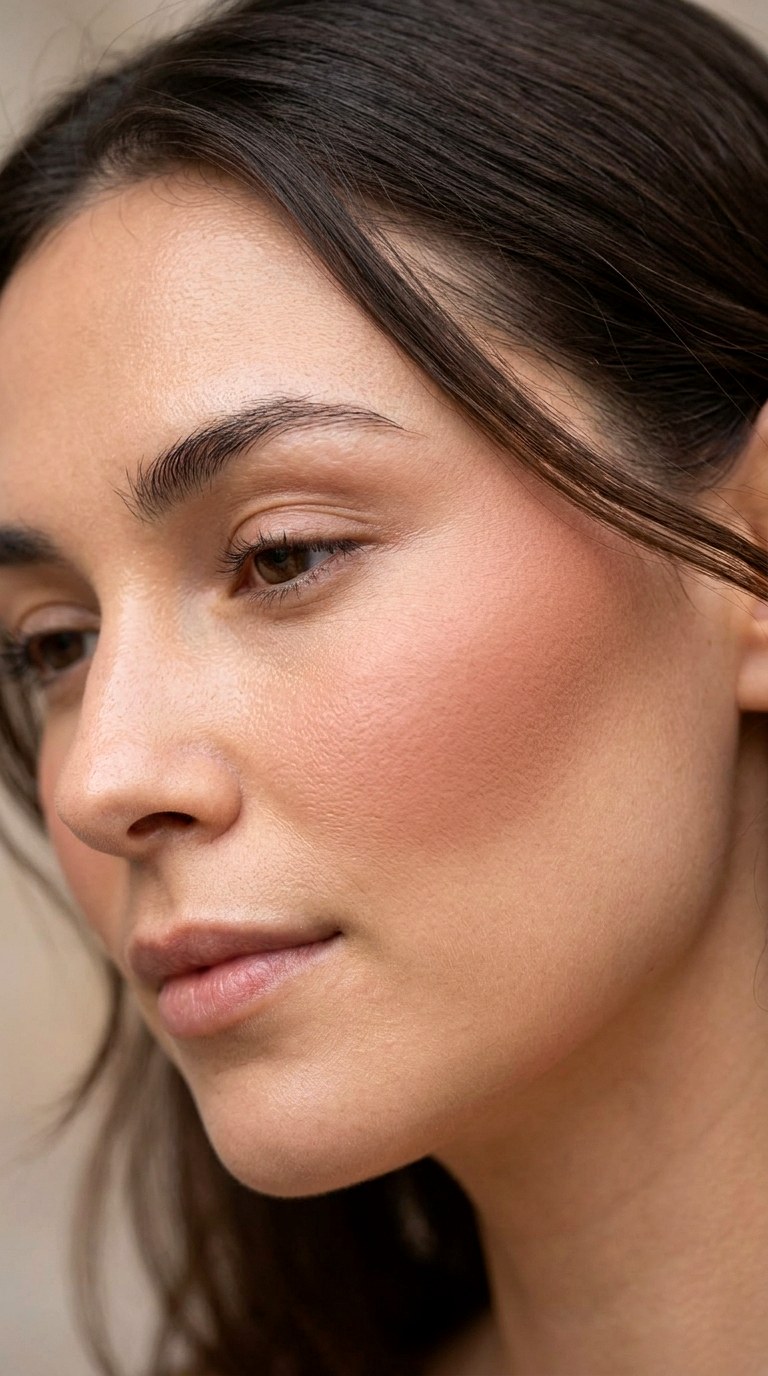
Instead of traditional contour, blush is used to sculpt the face softly. Warmer tones define structure while maintaining softness. The blending ensures no sharp lines, preserving the watercolor effect. This method enhances natural bone structure while keeping the look romantic and airy.
21. Juicy Lip and Cheek Coordination
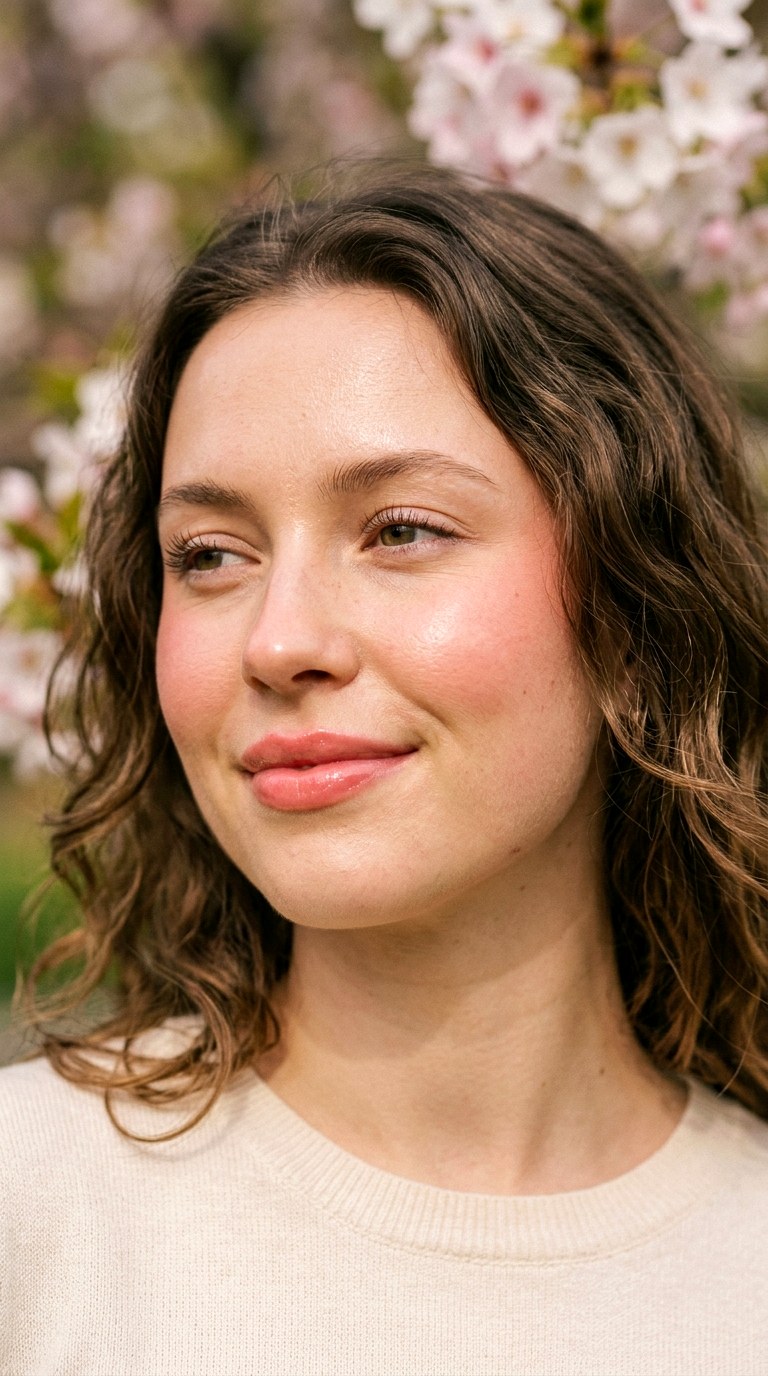
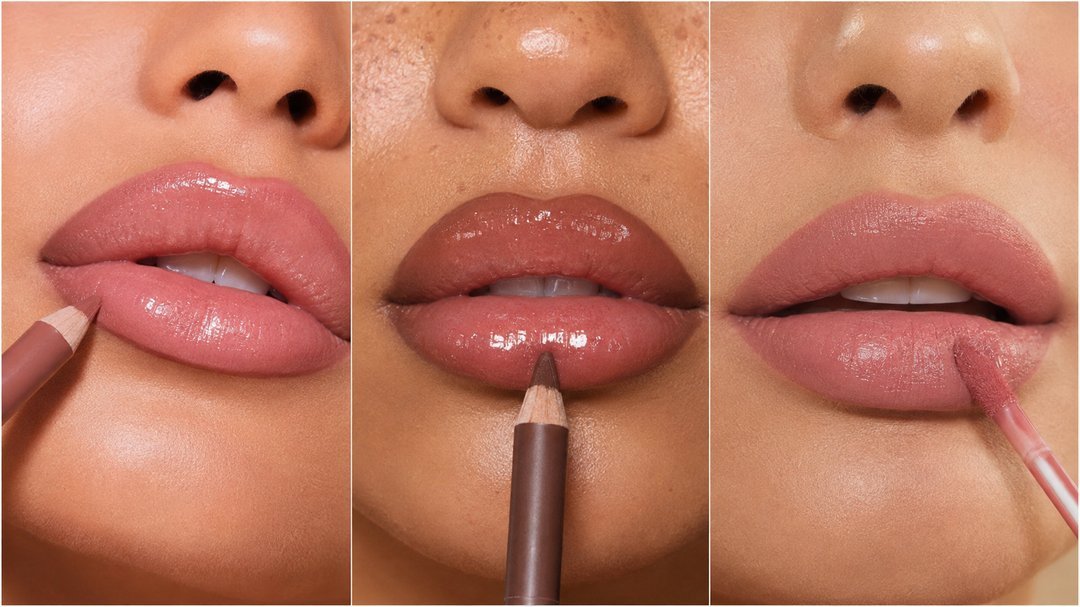
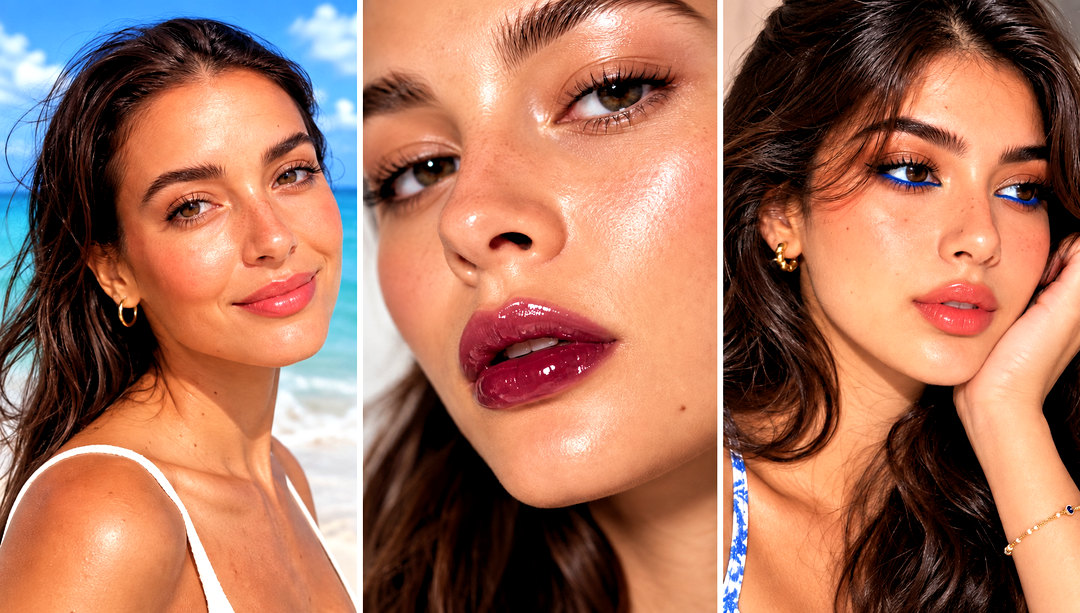
Coordinating lip tint with blush shades enhances harmony in the overall look. Soft pink, peach, or rose lip tints mirror cheek tones for a cohesive watercolor effect. This creates a balanced, fresh-faced aesthetic that feels polished yet natural, ideal for spring glam styling.
22. Light-Reflecting Blush Layers
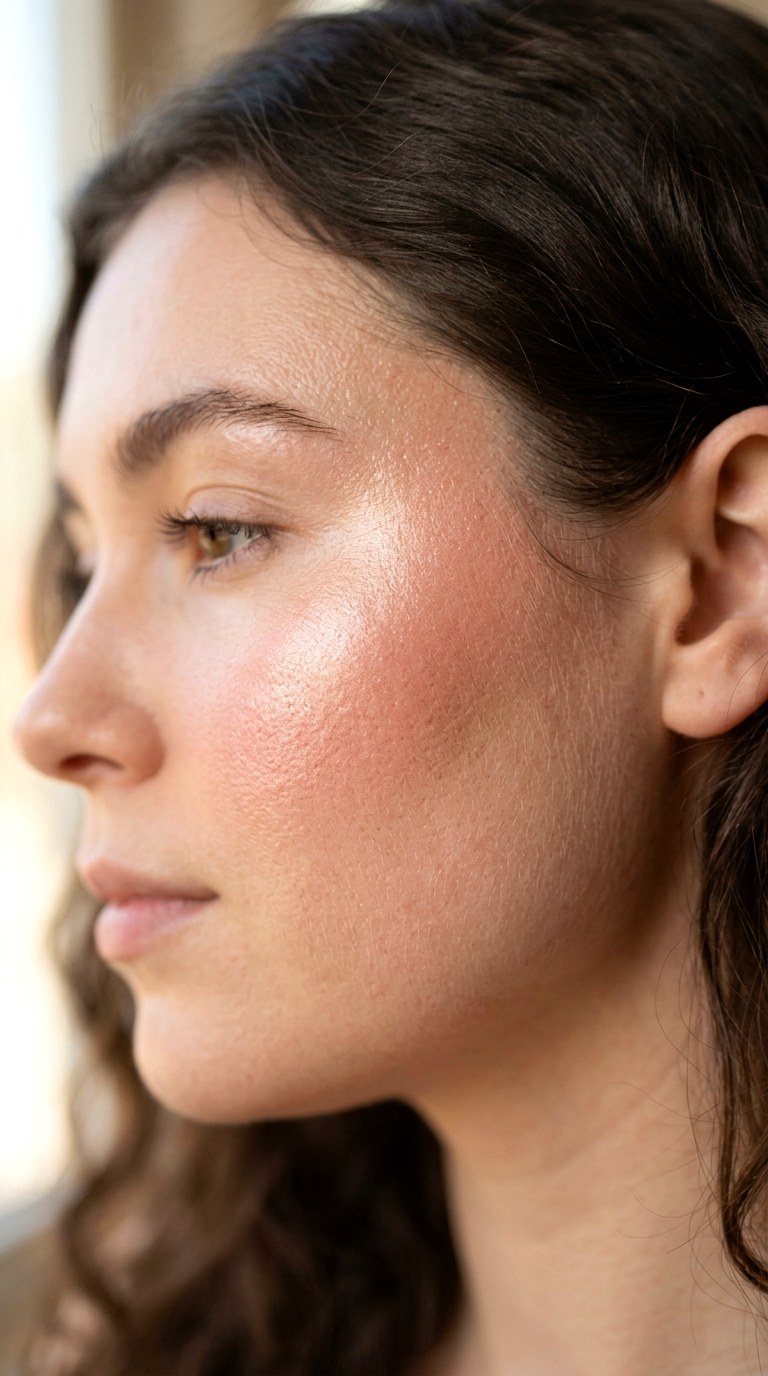
Layering blush with light-reflecting formulas enhances depth and glow. Cream and liquid blushes work together to create dimension without heaviness. The reflective quality catches light beautifully, giving skin a fresh, dewy finish that shifts with movement.
23. Ethereal Spring Glow Finish
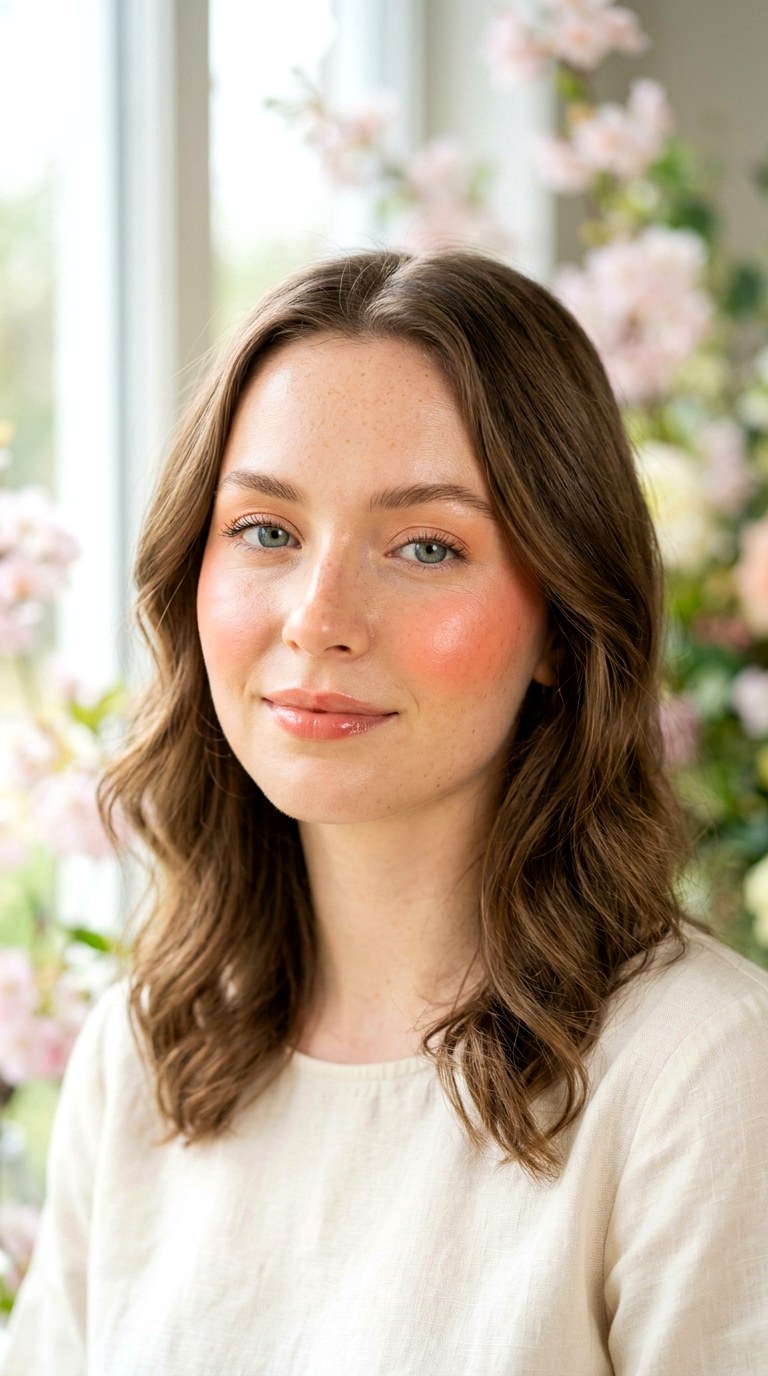
The final look of Watercolor Blush Spring Glam is ethereal, soft, and glowing. Every layer of blush blends seamlessly into skin, creating a cohesive watercolor effect. The face appears fresh, radiant, and naturally flushed, embodying the essence of spring beauty trends in 2026.
Conclusion:
Watercolor Blush Spring Glam is more than a makeup trend—it’s a shift toward softness, fluidity, and natural radiance in beauty aesthetics. By focusing on diffused pigments, layered pastels, and dewy skin finishes, this trend creates a romantic and wearable glow that feels effortlessly modern. Whether you prefer peach warmth, pink romance, or lavender haze, this look adapts to every skin tone and style. As spring beauty continues to evolve, watercolor blush remains a timeless expression of freshness, femininity, and luminous skin artistry.
Leave a Reply